

Sign up here to subscribe to the Grower2grower Ezine. Every two weeks you will receive new articles, specific to the protected cropping industry, informing you of industry news and events straight to your inbox.
19
Jul 2022
Jul 2022
Let the light in to achieve higher production in Winter
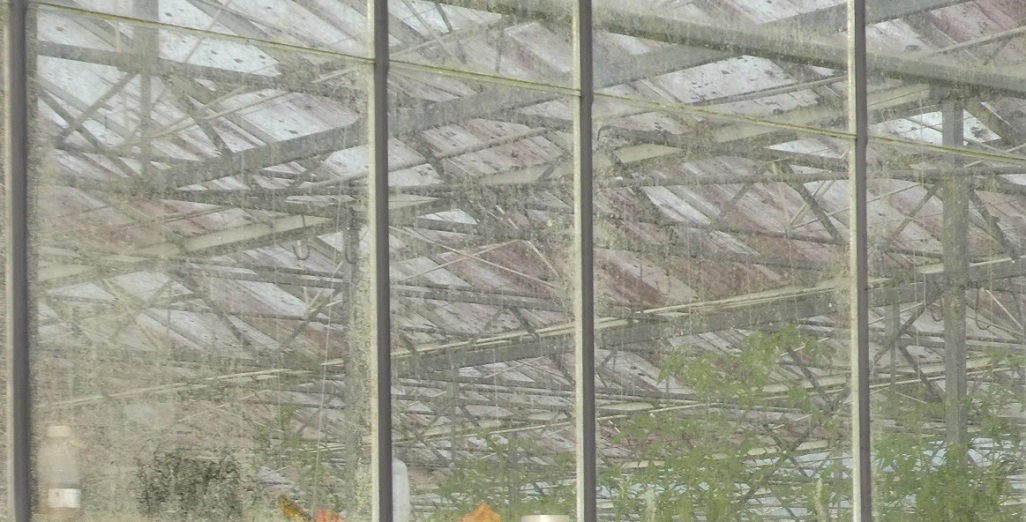
It costs you not to clean. Now, when prices are high for produce it is a good time to look up to see what you are missing out on
Unclean Roof:
Businesses are struggling to find the time to clean their greenhouses on a regular basis, the rule of thumb is 1% more light is 1% more production.
The longer you leave the roof the harder it becomes to clean it over time. Properties that have automatic roof cleaners have an advantage, it is a large capital outlay, to have automatic washers installed, but it pays for itself time and time again. For smaller properties the capital costs are too much, but there are solutions.
Agdrone – have a superb solution that will clean the greenhouse and keep you safe from harm. Spraying with a drone offers an alternative to physically walking on the structures and cleaning either glass or plastic greenhouse roofs. With labour shortages a constant issue for growers, finding the time is also proving very difficult.
The best time to spray the roof is during crop rotation. Please make certain you understand the chemical being applied and the precautions required to prevent contamination. This is critical. Cucumber growers that have multiple rotations, have more opportunities to clean and apply coatings.
Condensation:
The other issue, I believe is somewhat avoidable, is to reduce condensation. Condensation can block or reflect up to 8% of light. Products can be sprayed internally on the roof, during crop change to reduce or even eliminate condensation on the inside of the structures. If you are replacing crops in Autumn, this is the perfect time to apply. It is Winter now but now is a good time to visualise and may have you considering why you have not done this before.
Article written and compiled by Stefan Vogrincic
All Article’s checked and edited by Marie Vogrincic
I appreciate your comments. Please feel free to comment on the grower2grower Facebook page:
CLASSIFIED














Photo
Gallery



Subscribe to our E-Zine
More
From This Category
December 2, 2025
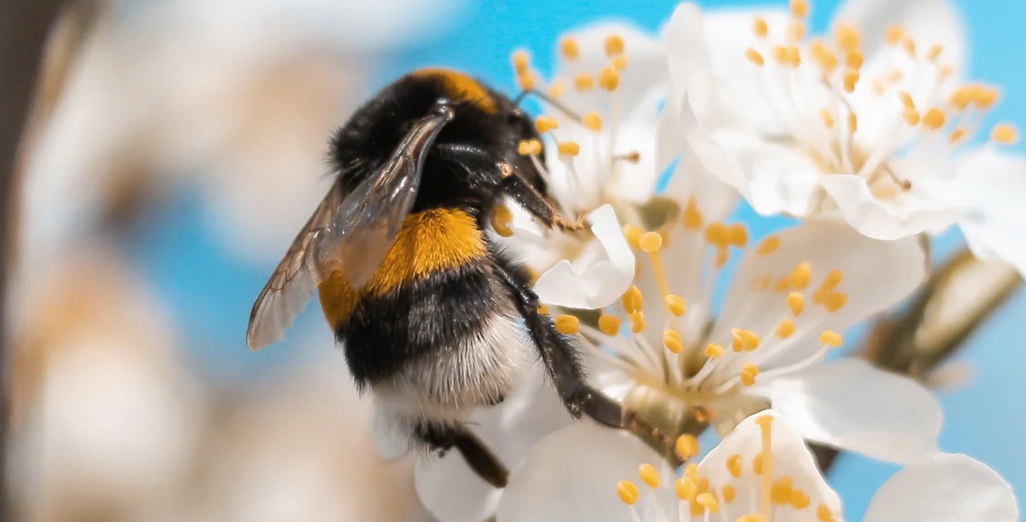
Treat your bumble bees as VIP’s (VIB’s)
Hives should be placed 1.2–1.5 metres above the ground, away from direct sunlight!
December 2, 2025
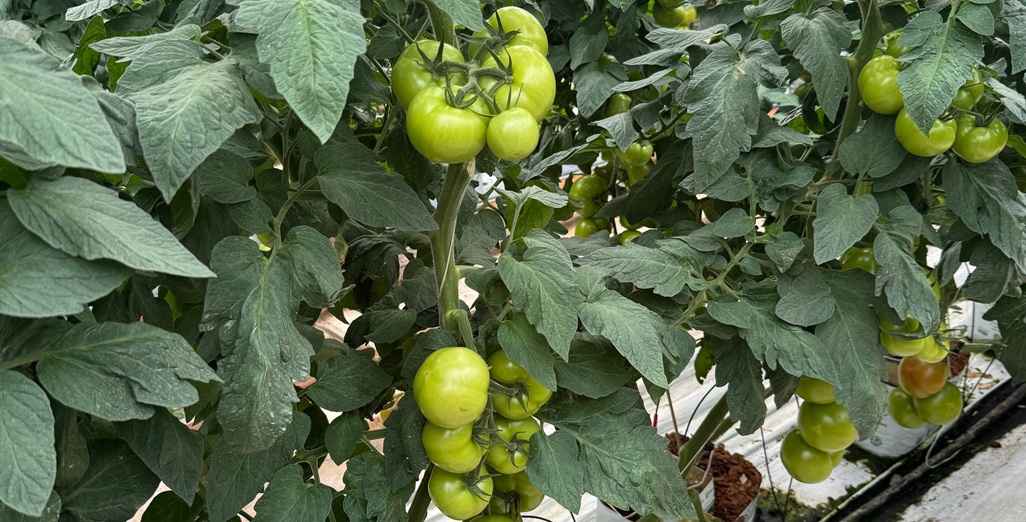
Why Maintaining Cool Slab Temperatures Is Critical for Greenhouse Crops
Unseasonably hot weather for this time of year—have highlighted just how vulnerable greenhouse crops can be when slab temperatures climb beyond safe limits.
November 4, 2025
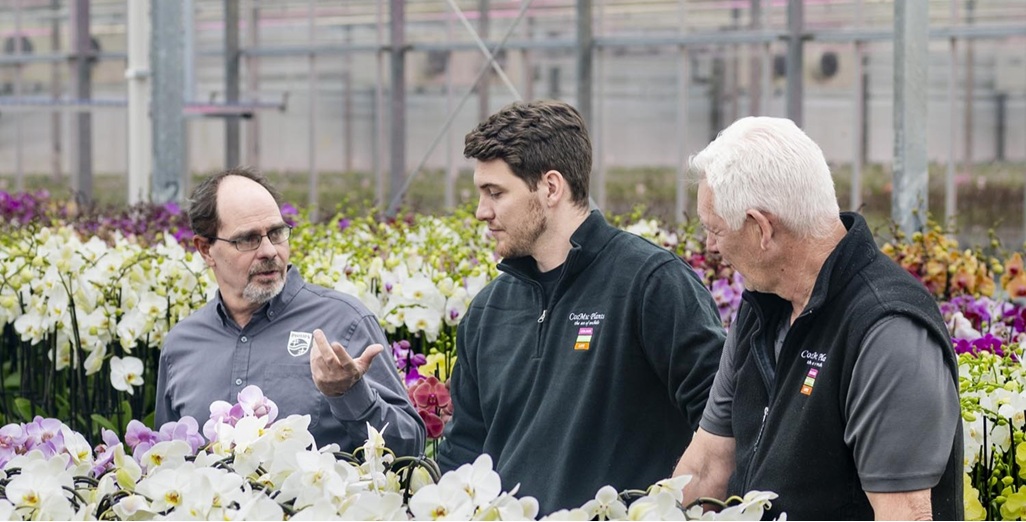
35-40% reduction in energy consumption while simultaneously boosting light output by 35-40%.
Signify helps CosMic Plants consistently produce top quality Phalaenopsis orchids with an expansion of its Philips LED lighting installation
October 21, 2025
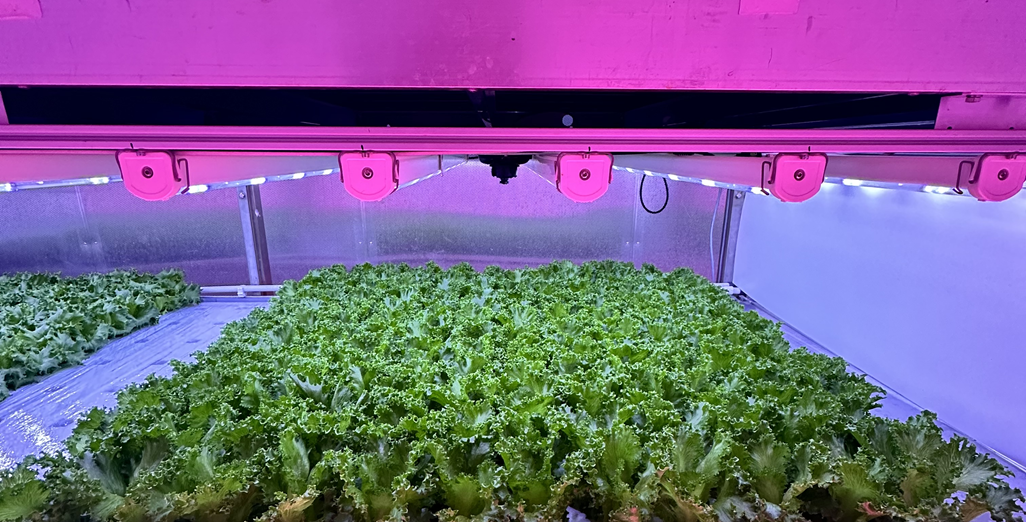
Crispy lettuce: achieving yield, quality, and longer shelf-life in vertical farms
At the Philips GrowWise Research Center, we explored how light and temperature strategies can help crispy lettuce deliver on all fronts: higher yields, better quality, and longer shelf-life.
October 6, 2025
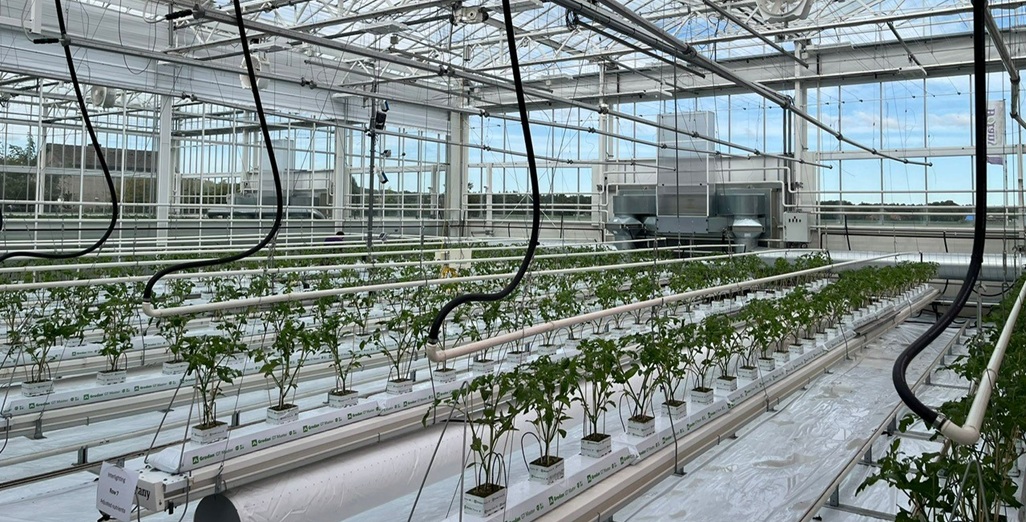
Signify and Grodan start third year of low-energy trial to test holistic approach on larger tomatoes on the vine
'Dedicated dehumidification system was key in maintaining ultra-stable greenhouse climate conditions to support consistent crop growth'
September 23, 2025
Philips GreenPower LED Solutions enables Add One Farm to increase yield and stabilize winter production
"Crop cycles during the winter shortened from 88 days to 62 days, and the number of annual harvests rose from 11 to 15."
CLASSIFIED